REVIEW · REYKJAVIK
Reykjavik Teppanyaki 7 Course Menu and Fire Show with Cocktail
Book on Viator →Operated by Flame Restaurant and Bar · Bookable on Viator
Fire up your appetite in Reykjavík. This teppanyaki evening at Flame Restaurant and Bar mixes Japanese-style iron-grill cooking with distinctly Icelandic ingredients, then wraps it up with a live fire cooking show and a hand-crafted sake cocktail. It’s a fun, photo-friendly night in a city where a good meal often comes with a steep price tag.
I like that the menu isn’t just copy-paste Japanese: you get an Icelandic beef carpaccio, then salmon with teriyaki sauce and free-range lamb with pepper sauce. I also like that the experience includes the welcome Flame sake cocktail so you’re not juggling drinks plans on a busy trip. One thing to keep in mind: the “fire show” can feel more like a standard teppanyaki hibachi-style performance than a full-on spectacular production, especially if you’re expecting something uniquely Iceland-scale.
In This Review
- Key highlights before you go
- Flame Restaurant and Bar: a simple start in central Reykjavík
- The 7-course menu: Icelandic ingredients, Japanese technique
- The iron grill and fire cooking: photos, warmth, and real expectations
- How intense is the fire?
- Where to sit for the best view
- When pacing can feel unusual
- The included sake cocktail: a small detail that makes the meal feel complete
- Timing, group size, and what a 1 hour 30 minutes dinner really feels like
- Price in Reykjavík: when $110 can be worth it
- Who should book this teppanyaki night at Flame?
- Should you book Reykjavik Teppanyaki at Flame?
- FAQ
- How long is the Reykjavik Teppanyaki 7-course experience?
- Where does the experience start and end?
- What do I get with the ticket?
- What’s the alcohol policy for this experience?
- Is the experience offered in English?
- What is the sample menu?
- How big is the group?
- Can I cancel for a full refund?
Key highlights before you go

- 7-course Icelandic teppanyaki menu: carpaccio, tempura langoustine, rice, vegetables, salmon, free-range lamb, and Skýr with blueberry
- Live chef cooking on an iron grill: close-up action, knife skills, and flames kept up for the cameras
- Included welcome sake cocktail: one glass of Flame welcome sake cocktail (or similar), for age 18+
- 90 minutes, small group setup: maximum 30 travelers, with the meal paced for an evening service flow
- Easy central meeting point: Katrínartún 4, with the activity ending back at the same spot
Flame Restaurant and Bar: a simple start in central Reykjavík
The meeting point is Katrínartún 4 in Reykjavík, and you’ll be finished back there too. That matters more than it sounds, because after a day of walking in Icelandic weather, you want your dinner plan to be low-stress: arrive, eat, and be done without a trek across town.
Flame runs this as a small-group dinner with a maximum of 30 people. In a room like this, you get a better sense of the show than you would in a giant banquet hall. It also means the chef can interact in a more direct, personal way, and you’re usually seated close enough for the iron-grill cooking to feel immediate.
The 7-course menu: Icelandic ingredients, Japanese technique

On paper, the menu looks classic teppanyaki, but the flavors aim for that Iceland-meets-international vibe. Expect a true sequence meal rather than a buffet: you’ll sit, watch, and get served course by course from the cooking station.
Here’s what the sample 7-course menu includes, and what to watch for as you order your mental wishlist of favorites:
Course 1: Icelandic beef carpaccio
This is your cool, delicate opener. It sets the tone for the whole meal by grounding everything in Icelandic beef before the hot-grill cooking starts. If you like seafood and steak, this first course is a good signal you’ll get variety rather than one-note dining.
Course 2: Deep-fried tempura langoustine in homemade lava sauce
This is the “wow” appetizer for texture and flavor. Langoustine is a special-occasion ingredient, and the homemade lava sauce hints at a richer, bolder profile than plain tempura. If you like a dish that feels a little dramatic without being fussy, start here.
Course 3: Teppanyaki premium Japanese rice
Rice is where a lot of teppanyaki shows prove their skill. You’re not just eating carbs—you’re tasting how the chef builds flavor with technique and timing. This is often the moment where people realize they’ve booked a full meal, not a snack with a show attached.
Course 4: Teppanyaki mixed fresh vegetable
This is the palate reset, and it gives you something lighter between the richer courses. It also balances the menu so it doesn’t feel like only meat and fried items.
Course 5: Teppanyaki Icelandic salmon with Teriyaki sauce
Salmon is a smart choice in Iceland, and teriyaki keeps it familiar in the best way. The key is to pay attention to how the chef seasons and manages the heat on the grill. When it’s done well, the fish tastes clean and fragrant rather than heavy.
Course 6: Teppanyaki Icelandic free range lamb with pepper sauce
Lamb brings the “Iceland steakhouse energy,” but in a teppanyaki format. The pepper sauce is the flavor hinge: it turns the lamb from simply savory into something you remember after. If you’re a lamb fan, this is likely to be one of your anchor bites.
Course 7: Traditional Icelandic Skýr with blueberry
Skýr is the dessert that feels local without being overly sweet. The blueberry helps it feel fresh and bright at the end. If you’ve had similar dairy desserts before, expect a tangier, Iceland-leaning finish.
A couple of practical notes I’d plan around:
- Come hungry. Even the positive comments tend to mention it’s a lot of food. A 7-course meal on teppanyaki timing adds up fast.
- The title promises a 7-course meal, and the menu lists seven. Still, in very small settings, you might find pacing differs from what you’d expect from a perfectly spaced show-and-tell performance.
The iron grill and fire cooking: photos, warmth, and real expectations
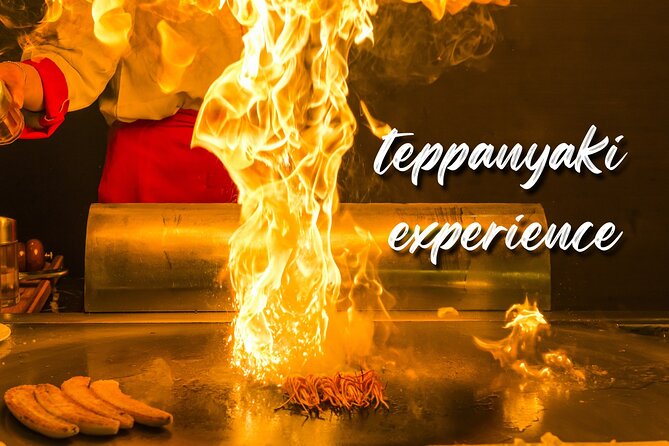
Teppanyaki works because the food is cooked right in front of you. That means you get the best part of a restaurant show without having to sit through long staging. The chef works on the iron grill while you watch the process—and yes, flames can be part of the performance.
From the experience angle, I love when a chef treats the cooking like theater while keeping it practical. You’ll typically get that mix of knife work, heat control, and small moments that make the station feel alive. In one case, guests specifically highlighted Chef Wilson as charming, with solid knife skills and a fun vibe.
How intense is the fire?
This is where expectations matter. Some people love the flames and call it spectacular; others felt it was closer to a basic hibachi show. One guest described the show as lighting sake in an onion, which is fun and clever, but not the same as a huge fire display.
So here’s the best advice: treat the fire as part of the cooking style, not as a Hollywood-grade pyrotechnics event. If you go for the meal and the chef showmanship, you’ll likely be happy. If you’re chasing a very specific Iceland-themed fire spectacle, you might leave a little underwhelmed.
Where to sit for the best view
The heat can be real when you’re seated close, and that’s a plus for people who want a hands-on show. Several diners noted the closeness meant they felt warmth during the cooking. If you know you’re heat-sensitive, I’d still go—but I’d mentally prepare for it.
When pacing can feel unusual
Teppanyaki is often paced like a performance, with each course landing after a clean segment of cooking time. But there are moments when this can shift, especially if the restaurant is short staffed or if the table count is very small. In one example, someone mentioned courses arriving very quickly in a minimal crowd setting. That doesn’t mean it always happens, but it’s a fair consideration if you’re the type who loves slow, deliberate show pacing.
The included sake cocktail: a small detail that makes the meal feel complete
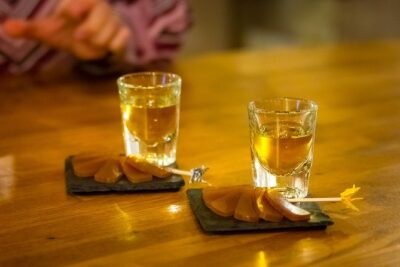
Your ticket includes dinner and one alcoholic beverage: a Flame welcome sake cocktail (or a similar one glass serving). You’ll need to be 18 or older to have the alcohol part. This is a straightforward inclusion, and it helps set the mood without you having to start hunting for a drink after you’ve already arrived hungry and cold.
I like how the cocktail inclusion makes the whole evening feel planned. It’s also helpful in Iceland, where planning ahead saves time and stress. And if you’re doing other activities the same day, having one drink already built into the meal means you can keep your budget in check.
One more pacing tie-in: if staff is stretched thin, the show might feel a bit slower. On the flip side, if service is running smoothly, the cocktail timing tends to hit right when you want it—before the grill gets busy.
Timing, group size, and what a 1 hour 30 minutes dinner really feels like
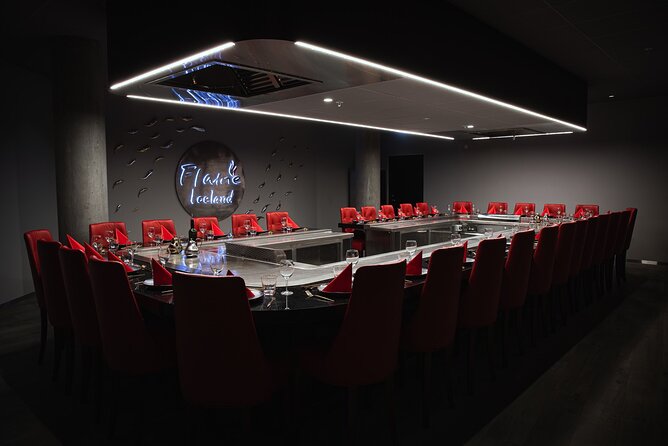
The experience runs about 1 hour 30 minutes. For a 7-course teppanyaki meal, that’s not a long time, and that’s part of what makes it feel like an evening event rather than a slow dinner.
With up to 30 travelers, you usually get a friendly, social atmosphere, but not so big that the chef becomes a distant performer. The show stays centered on your table, not a broad stage.
Also, because this kind of cooking is interactive, I recommend you plan to be present for it. Put your phone away for a minute when the chef starts a course—then take photos at the right moments so you’re not missing the best part while constantly filming.
Price in Reykjavík: when $110 can be worth it
At $110 per person, this isn’t a budget meal. But Iceland is expensive, and this package is doing several things at once: you’re paying for a multi-course teppanyaki dinner, a live chef fire show element, and an included alcoholic beverage.
Here’s how I judge value for a booking like this:
- You’re buying an experience, not just food. Live cooking on a grill in front of you usually costs more than a standard plated dinner.
- The menu includes multiple substantial courses, from beef and langoustine to salmon and lamb, plus dessert.
- One drink is included. That’s not everything, but it does reduce the add-on creep that can quietly inflate a dining bill.
That said, not everyone feels it’s worth it. A few people said the food was below average for the price, or that the fire show wasn’t strong enough for the name. Meanwhile, many diners rated the meal highly for delicious food, fun engagement, and a memorable show.
My practical take: if you want a fun evening with a chef-centered meal and you’re okay with teppanyaki-style performance levels, this can be a fair buy. If your priority is only food quality and you’ve had exceptional teppanyaki elsewhere, you should consider your expectations carefully.
Who should book this teppanyaki night at Flame?

This is a great fit for:
- You want a fun dinner with live cooking rather than a quiet, formal meal.
- You like the idea of Icelandic seafood and meats prepared with Japanese technique.
- You’re planning a birthday or special occasion and want an easy, low-planning “treat” night.
- You enjoy eating something you don’t usually order back home, like Skýr for dessert or langoustine as a tempura course.
It may not be ideal if:
- You expect a huge, fireworks-style fire spectacle.
- You’re picky about teppanyaki performance style and want it to match what you’ve seen in other places exactly.
- You hate meals that run briskly; at times, the pacing can feel quick in smaller settings.
Should you book Reykjavik Teppanyaki at Flame?
If you want a simple plan for an Iceland evening that combines Icelandic ingredients, interactive teppanyaki cooking, and an included sake cocktail, I think this is a solid choice. The average rating is 4.3 out of 5 from 30 diners, and the strongest feedback clusters around the chef’s entertainment and the food feeling memorable and filling.
I’d book it when you’re in the mood for food-as-show—and when you can accept that the fire element may be more hibachi-style than a massive stage production. This is also the type of dinner you’ll feel happier about if you arrive with an open mind and a good appetite.
One smart timing tip: the experience tends to sell on fairly early planning windows, with an average booking lead time of about 52 days. If your trip dates are set, don’t wait until the last moment to grab a slot.
FAQ
How long is the Reykjavik Teppanyaki 7-course experience?
It runs for about 1 hour 30 minutes.
Where does the experience start and end?
You meet at Katrínartún 4, 105 Reykjavík, Iceland, and the activity ends back at the same meeting point.
What do I get with the ticket?
The ticket includes dinner, live fire cooking by an expert chef, and one alcoholic beverage (a Flame welcome sake cocktail or similar).
What’s the alcohol policy for this experience?
Alcohol is included only for participants who are 18 years old and above.
Is the experience offered in English?
Yes, it’s offered in English.
What is the sample menu?
The sample menu includes Icelandic beef carpaccio, deep-fried tempura langoustine in homemade lava sauce, teppanyaki premium Japanese rice, mixed fresh vegetables, Icelandic salmon with teriyaki sauce, Icelandic free-range lamb with pepper sauce, and traditional Skýr with blueberry.
How big is the group?
The maximum group size is 30 travelers.
Can I cancel for a full refund?
Yes. You can cancel up to 24 hours in advance for a full refund.