REVIEW · SAPPORO
Sapporo: Buddha Hill, TV Tower, and Sake Stand Bar Tour
Book on GetYourGuide →Operated by Machinovate Japan Ltd. · Bookable on GetYourGuide
Buddhas and sake in one long Sapporo day. What makes this tour fun is the mix of serious calm and very human moments, from the 45-meter-long Buddha Nirvana at Butsugan-ji to the 360-degree view from Sapporo TV Tower. I also like that you get a guided story behind what you’re seeing, so the temples and statues feel more than just photo stops.
You’ll walk and ride between sites for a long stretch (about 8.5 hours), and it’s not built for people who need lots of sitting time. If you have back issues or you’re pregnant, this may be a rough fit, so it’s worth thinking ahead.
A quick note of goodwill: the guide I’m seeing named in guest feedback is Scott, and that matters here because you’ll get more out of the day when someone can explain what you’re looking at. And yes, the sake tasting at the end is a satisfying way to close out all that walking.
In This Review
- Key Things I’d Pay Attention To
- Getting Oriented Fast: Sapporo Station to the South District
- Butsugan-ji Temple and the 45-Meter Buddha Nirvana Statue
- Hill of the Buddha: The Arched Tunnel and 13.5-Meter Quiet
- Moai and a Stonehenge Replica in the Sacred Cemetery
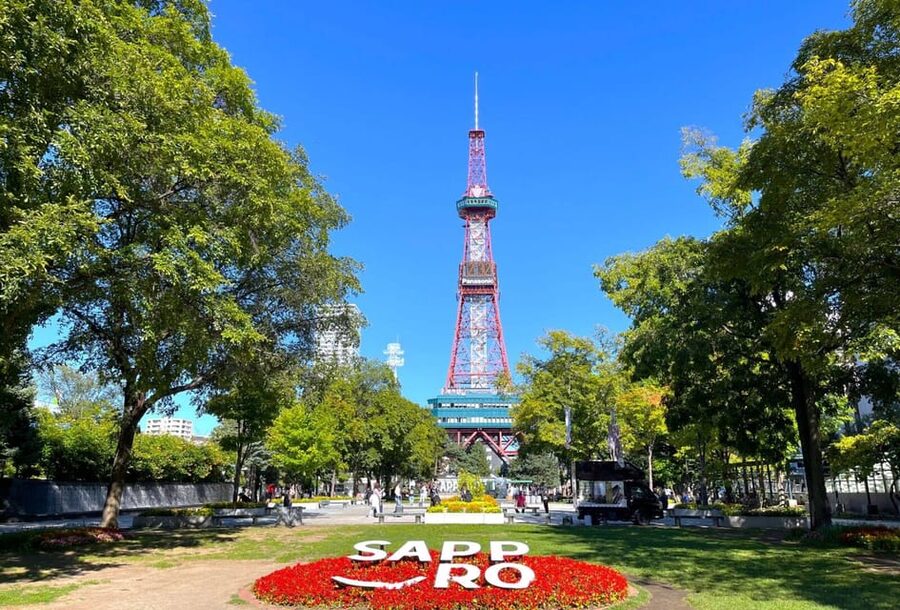
- Sapporo TV Tower: 360-Degree Views and City Orientation
- Yata Sake Stand Bar: Learning Sake Types While You Taste
- Price and Value: What $170 Really Covers
- Who Should Book This Tour (and Who Might Skip)
- What to Bring and How to Prepare for Temple + Tower + Bar
- Should You Book the Buddha Hill, TV Tower, and Sake Stand Bar Tour?
- FAQ
- Where is the meeting point for the tour?
- What time does the tour start?
- How long is the tour?
- Is an English-speaking guide included?
- What’s included in the price?
- Is lunch included?
- Can I take photos with flash?
- What should I bring?
- Is the tour refundable if I cancel?
Key Things I’d Pay Attention To
- The 45-meter Buddha Nirvana at Butsugan-ji Temple is the kind of scale that changes your photos fast.
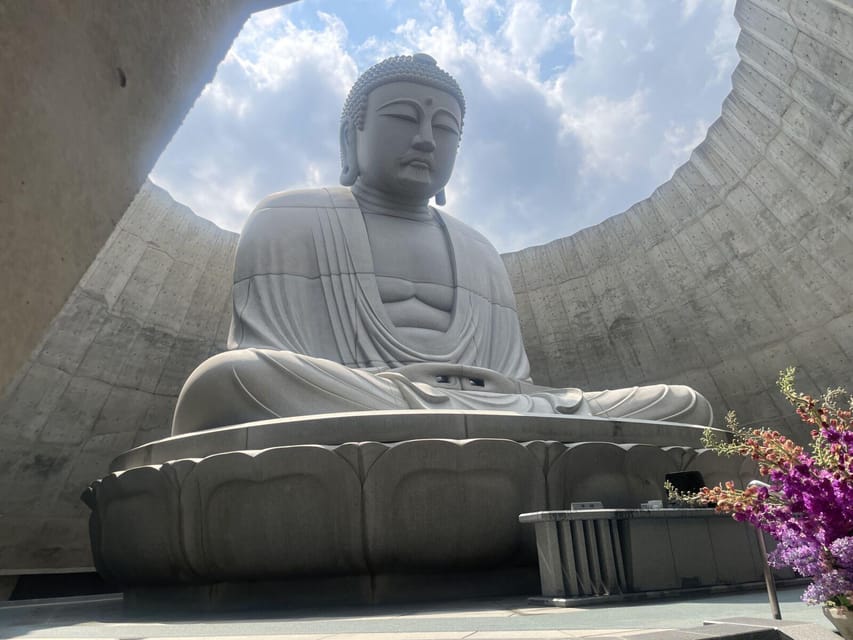
- The Hill of the Buddha uses an arched concrete tunnel and a rotunda design that turns light into part of the experience.
- Sapporo TV Tower delivers real orientation for the city with 360-degree views.
- Moai statues and a Stonehenge replica add a strange, memorable twist to the sacred cemetery area.
- Yata Sake Stand Bar gives you both tastings and explanations of different sake types.
- Local-style transit includes bus/train time and even underground mall walking around central Sapporo.
Getting Oriented Fast: Sapporo Station to the South District
Your day starts at Sapporo Station, after you exit the main JR gates and turn left. Walk toward the South Exits (南出口) until you spot the circular white stone structure called MYOMU. Your guide will be there in front of it with a Snow Monkey Resorts tour tag, and it’s set for a 9 a.m. meet.
From the start, this tour is built around movement. You’re heading to the south district first, which is smart: you see the most spiritual stop while the day is still fresh, then you work your way back toward central Sapporo for the TV Tower and the food-and-drink finish.
This is also one of those days where what you wear matters. You’re walking enough to need comfortable shoes, and you’ll also want the practical basics: a hat, sunscreen, and water. Flash photography is not allowed at the sacred sites, so bring a camera that can handle lower light if you’re hoping for interior shots.
Butsugan-ji Temple and the 45-Meter Buddha Nirvana Statue
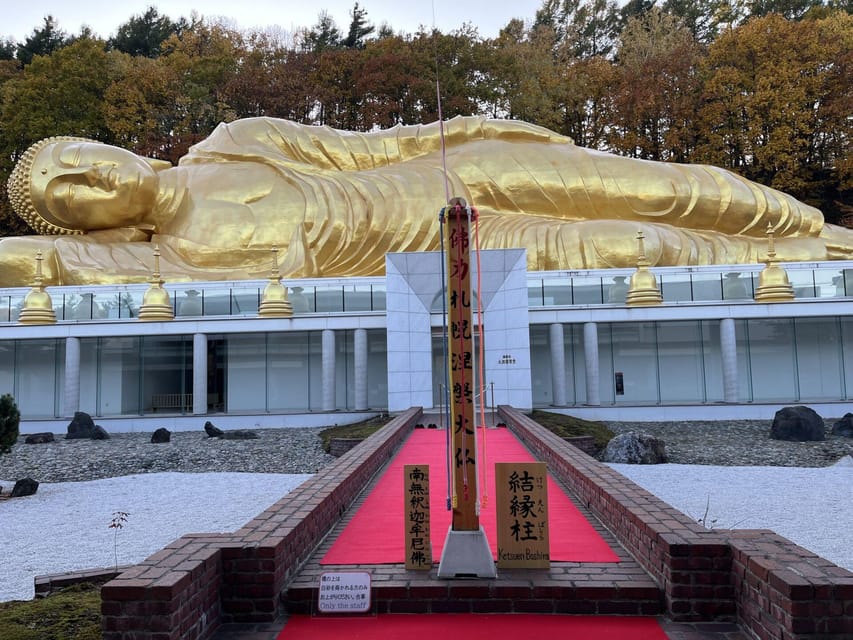
The first major stop is Butsugan-ji Temple, one of the anchors for the spiritual side of Sapporo. You’ll admire the Great Nirvana Temple Hall, and on its roof sits a 45-meter-long Buddha Nirvana statue. The scale is the point here. Even if you’ve seen big statues before, this one reads as a full statement across space, not something you can just casually pass.
What I like about starting with this is pacing. You’re dropped into a place designed for quiet attention, and the guide’s explanations help you connect the dots between the architecture and the feeling of reverence.
If you’re the type who likes to photograph, set expectations early: you won’t be using flash, and you’ll want to slow down for framing. The best shots usually come when you stand back and let the scale do the work.
Also, keep in mind what the tour is emphasizing: spiritual power. That’s not just a slogan. You’ll see it in how the site is presented—this is a temple stop where respect matters, and it’s the kind of place where you’ll naturally lower your voice without being told to.
Hill of the Buddha: The Arched Tunnel and 13.5-Meter Quiet
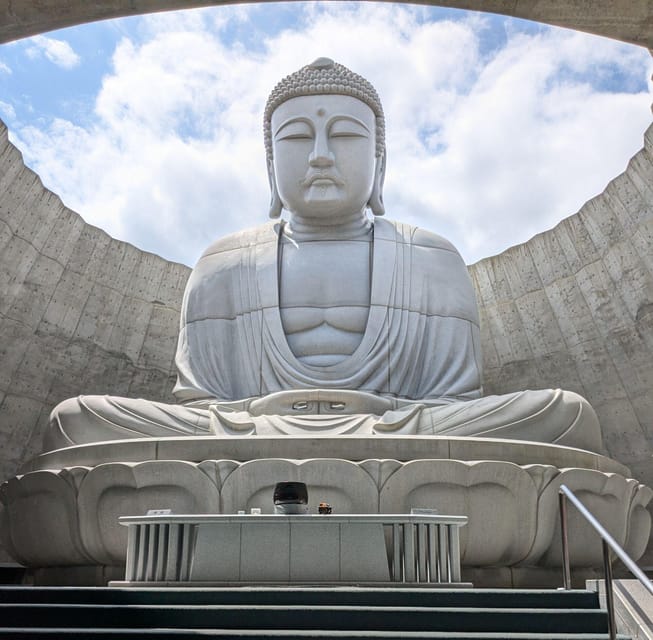
Next you’ll travel by bus to the Hill of the Buddha. When you arrive, you don’t just walk straight into the main sight. You go through an arched concrete tunnel, which feels like a deliberate threshold from everyday city life into something more contemplative.
Then comes the center piece: a 13.5-meter-tall Buddha statue encircled by a rotunda. The design does a clever trick with light. As you look up, you’ll notice how sunlight streams in through a circular opening, turning daylight into part of what you’re seeing.
This is one of those stops where you can feel the difference between “statues as objects” and “statues as atmosphere.” If you enjoy architecture and sacred design—how buildings shape your attention—this is a highlight.
Practical tip: wear shoes that handle uneven or sloped areas if you can. You’ll walk around to get views from different angles, and the route inside the sacred grounds may involve small steps and changes in elevation.
Moai and a Stonehenge Replica in the Sacred Cemetery
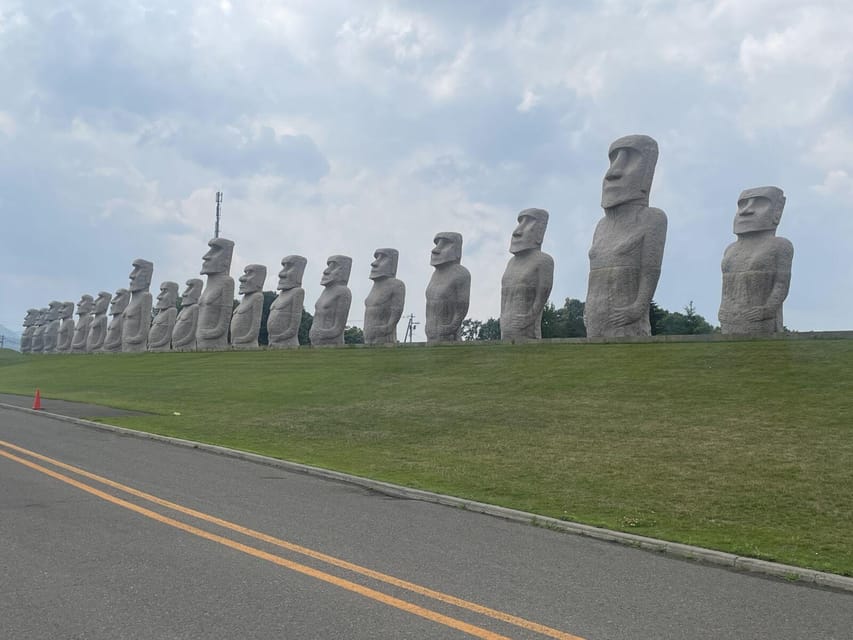
The Hill of the Buddha isn’t only about one statue. Besides the Buddha, you’ll also see giant Moai statues and a replica of Stonehenge in the sacred cemetery area.
This is where the tour becomes more than just a typical temple-and-view combo. The Moai presence feels almost playful in scale, and the Stonehenge replica adds a surprising Western reference point—both placed within a setting that’s still meant for reverence.
So here’s how I’d read it: the hill’s message isn’t only about one culture. It’s about the idea of sacred space and symbols, and the way people can assign meaning to huge monuments. If you like odd juxtapositions that still feel grounded in place, you’ll probably have fun here.
Don’t rush this section. Take your time and decide what you respond to. Your best photos may come after you’ve stared for a minute and your brain stops comparing it to other landmarks.
Sapporo TV Tower: 360-Degree Views and City Orientation
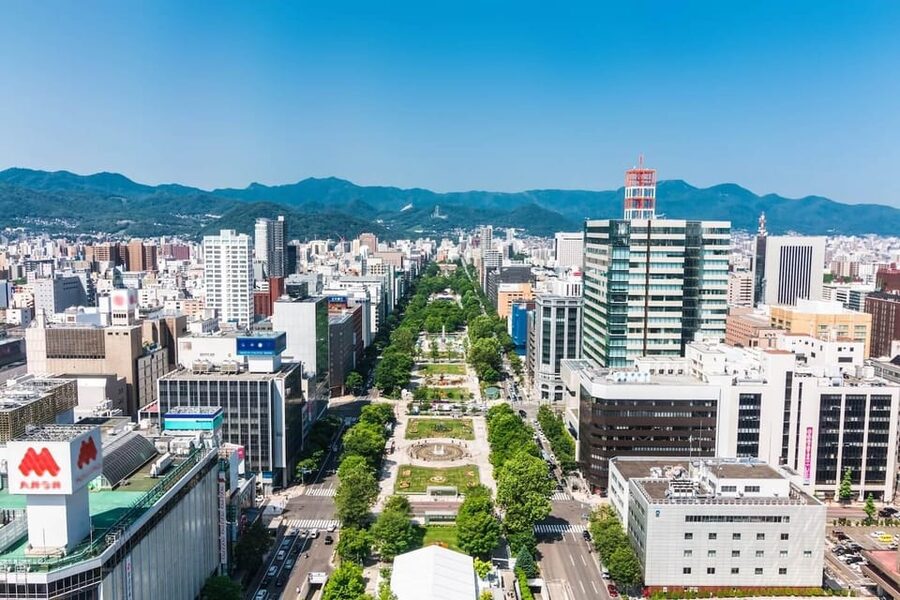
After the sacred stops, you’ll return toward central Sapporo and head to Sapporo TV Tower. The big payoff is going up to the observation deck for spectacular 360-degree views of the city.
I love this moment because it changes how your whole day makes sense. Before you’re mostly south district and temple grounds; after the tower, you can locate neighborhoods you’ve been near and get a feel for how Sapporo stretches.
The view also helps for planning dinner later. The tour ends at a sake bar, but once you see the city from above, you’ll understand why certain areas feel closer, busier, or more walkable at night.
If you’re interested in how the tour keeps you moving through real Sapporo, there’s an extra plus mentioned in guest feedback: you may walk through underground malls connecting Odori, Sapporo station, and Susukino while you’re in the central area around the TV tower and the end of the day. In winter or in changeable weather, that kind of pedestrian convenience can be a real win.
Yata Sake Stand Bar: Learning Sake Types While You Taste
The tour wraps up at Yata Sake Stand Bar, where you’ll do sake tasting and get an English-speaking explanation of the various types of sake. This is not a “sip-and-run” finale. The staff are friendly and help you understand what you’re drinking.
This matters more than it sounds. Sake can be confusing when you’re standing in front of a menu with labels you can’t translate quickly. Having someone explain styles gives you a real hook for your next visit—suddenly you can order with intention instead of guessing.
It’s also a smart emotional landing after temple walking. You go from quiet spaces to a social bar environment without losing the cultural thread. And if you’re in the mood to keep going after the tour, the sense of confidence you gain from the tasting tends to make you braver about trying a second place for dinner or drinks nearby.
A small reality check: you’re still on your feet from earlier in the day. Pace yourself during the tasting so you enjoy it, and make sure you hydrate with the water you brought earlier.
Price and Value: What $170 Really Covers
At $170 per person for about 510 minutes (roughly 8.5 hours), the value comes from three buckets: guidance, transportation, and admissions.
You’re paying for:
- an English speaking tour guide
- transportation fees from Sapporo Station to the listed stops
- entry tickets for each attraction
- sake tasting
In plain terms, this isn’t just a “drive-by” sightseeing bus. You’re paying to have someone organize the day in a way that connects sites across the city, then add context at each stop. The temple scale items—like the 45-meter Buddha Nirvana—are the kind of sights that feel more meaningful when you understand what you’re looking at.
Is it expensive? Compared with self-guided transit plus tickets, sure. But self-guided also means you’re doing the translation work, figuring out timing, and managing multiple locations across Sapporo while the day is moving fast. If you want the structure and the explanations, the price feels reasonable.
Who Should Book This Tour (and Who Might Skip)
This tour is a strong match if you want a Sapporo day that blends:
- major spiritual sights (Butsugan-ji and the Hill of the Buddha)
- a serious city-view anchor (Sapporo TV Tower)
- an end-of-day cultural taste (Yata Sake Stand Bar)
You’ll also like it if you appreciate design details: the tunnel, the rotunda lighting, and how monuments create atmosphere.
It’s less ideal if you:
- have back problems (the day involves walking and standing)
- are using a wheelchair (not suitable for wheelchair users)
- are pregnant (listed as not suitable)
If you’re a steady walker with comfortable footwear, you’re in the sweet spot. Also, if you’re traveling alone, this kind of guided group day can help you feel less “lost” around the city while still getting real local transport time and central-area pedestrian routes.
What to Bring and How to Prepare for Temple + Tower + Bar
Pack like this:
- Comfortable shoes for walking
- Hat and sunscreen
- Camera (and remember flash photography is not allowed at the sacred sites)
- Water bottle for hydration
Weather can shift, so be ready for varying conditions. Layers are smart even if it’s not freezing. You’ll move from outdoor views to indoor/exterior temple areas and then to the tower observation deck area and the bar.
One more respect note: these are spiritually significant places. Keep your voice low, follow any on-site rules, and treat it like a place you’d want to visit even if you weren’t being guided.
Should You Book the Buddha Hill, TV Tower, and Sake Stand Bar Tour?
If you want one organized day that covers the spiritual highlights of Sapporo plus a panoramic view and a guided sake tasting, I think this is a smart booking. The big reason: you get more meaning than you would from a DIY route. The stops are distinct, the pacing includes both sacred and city moments, and the ending gives you a fun way to process the day.
Book it if:
- you like architecture and atmosphere, not only sightseeing
- you want a guided explanation in English
- you’d enjoy learning sake types and tasting multiple options
Consider skipping or swapping plans if:
- walking long distances is tough for you
- you need fully seated time during the day
- you’re mainly interested in shopping and nightlife without temple stops
Bottom line: this is a day tour that balances scale, calm, and culture—then finishes with something you can taste. If that mix appeals to you, you’ll likely have a memorable Sapporo day.
FAQ
Where is the meeting point for the tour?
You meet after exiting the main JR gates of Sapporo Station, turn left, and walk toward the South Exits. Your guide stands in front of the circular white stone structure called MYOMU.
What time does the tour start?
The meetup time is 9 a.m.
How long is the tour?
The tour duration is listed as 510 minutes.
Is an English-speaking guide included?
Yes. The tour includes an English-speaking live guide.
What’s included in the price?
The price includes transportation from Sapporo Station to the stops, entry/admission tickets for the listed sights, and sake tasting.
Is lunch included?
No, lunch is not included.
Can I take photos with flash?
No. Flash photography is not allowed.
What should I bring?
Bring comfortable walking shoes, a hat, a camera, sunscreen, and water.
Is the tour refundable if I cancel?
Yes. Free cancellation is available up to 24 hours in advance for a full refund.