REVIEW · ST AUGUSTINE
St. Augustine’s Wine, Cocktail and Food Experience
Book on Viator →Operated by St. Augustine Experiences · Bookable on Viator
A fortress, a cemetery, and then wine. That mix is the fun here, and it’s built for an afternoon stroll through America’s oldest city. I love that the tour includes food and alcohol samples with no added fees, so you don’t have to keep calculating costs mid-walk. I also like the small group size (up to 8), which makes it easier to ask questions while you’re on the move. One thing to consider: you’ll be walking at a moderate pace, and if you need strict dietary options, your choices can be limited.
This experience blends tastings with real context about St. Augustine’s layers of Spanish, British, American, and immigrant history. Guides like Garry, Russ, and Alex (names that show up often) are praised for weaving stories and jokes into the route so the landmarks feel connected, not like a checklist of stops.
In This Review
- Key highlights at a glance
- Fortress first: how the Castillo de San Marcos sets the tone
- The city gate and Huguenot Cemetery: a quieter history lesson
- St. George Street and the old gates: where your tasting day gets moving
- St. Photios Greek Orthodox National Shrine: architecture with a backstory
- Plaza de la Constitución: the city plan that still shapes your walk
- Cathedral Basilica and Government House: church power and civic power
- The food and cocktail part: what “included samples” really means for your day
- How the 3.5-hour timing fits St. Augustine sightseeing
- Meeting at Treasury Street: getting started without stress
- Small-group pace: comfort, questions, and fewer bottlenecks
- Who should book this St. Augustine wine and food walk
- Should you book? My take on the value
- FAQ
- How long is the St. Augustine Wine, Cocktail and Food Experience?
- What is the price per person?
- What’s included in the tour price?
- Are there non-alcoholic drink options?
- Is the tour offered in English?
- Where do you start and end the tour?
- How large is the group?
- Is there walking involved?
- Is it easy to get to using public transportation?
- Cancellation
Key highlights at a glance

- No added-fee tastings: food and alcohol samples are included, plus bottled water and lunch
- Max 8 people: easier pace, more conversation, and less crowding
- Classic St. Augustine route: from city-gate area landmarks to the downtown plaza
- History stops with meaning: fortifications, cemeteries, and churches tied to the city’s changing religions and rulers
- Tastings built for an afternoon: you’re meant to explore midday-to-late afternoon, when strolling feels right
- Dietary limits to plan for: vegetarian/vegan/kosher/gluten-free and other restrictions may have reduced selection
Fortress first: how the Castillo de San Marcos sets the tone

St. Augustine works especially well for a walk like this because the town is compact and layered. The tour starts by placing you right where you can feel the past: the Castillo de San Marcos, a Spanish stone fortress from the 1600s.
This isn’t just a photo stop. The Castillo is described as the oldest masonry fort in the continental United States, and the structure is about 325 years old—old enough that you’re standing in a place built to defend Spain’s claims in the New World. If you’ve ever visited forts that feel like walls with no story, this one is different because you’re seeing it as part of a living city, not a museum out in the distance.
Practical tip: bring something light for shade and keep an eye on your footing. Fort areas can involve uneven surfaces and stairs. If you want the views, plan to slow down for a minute even if you feel rushed—this is the “get oriented” part of the day.
You can also read our reviews of more tours and experiences in St Augustine.

The city gate and Huguenot Cemetery: a quieter history lesson
From the fortress area, the route shifts to a spot with a very different mood: the Huguenot Cemetery, across from the historic City Gate.
Here, the big idea is how St. Augustine’s religion and population changed over time. Before American occupation, the city was largely Catholic, and the main burial ground inside the city—Tolomato—was reserved for Catholics. When Protestants needed a formal burial ground, the American administration chose land just outside the gate. The cemetery’s first burials began in 1821, right before a yellow fever epidemic that took many lives.
This stop matters because it gives you a way to “read” the city. Even if you don’t consider yourself a cemetery person, the setting next to the gate makes a point: St. Augustine wasn’t just a Spanish postcard. It changed, and people paid for those changes with their lives.
If you’re someone who likes your history straight and specific, you’ll probably enjoy the clarity of this part of the walk. It’s short, but it hits.
St. George Street and the old gates: where your tasting day gets moving
Next comes St. George Street, the historic district backbone. You enter through the Old City Gates built in 1808, and then you’re walking a route that still feels like the city’s main spine.
This is a good “now that you know the past” transition. After the fortress and cemetery, you’re ready for a livelier street, where architecture and sidewalks help you feel like you’re in the middle of town—not on the edge of it.
From a value standpoint, St. George Street is also a smart place to connect with food and drink. You’re not hopping across town. You’re staying in a compact area, which helps your 3.5-hour experience stay fun instead of exhausting.
St. Photios Greek Orthodox National Shrine: architecture with a backstory

Just a bit off the main corridor, the tour includes the St. Photios Greek Orthodox National Shrine, dedicated to the first colony of Greek people who came to America in 1768.
This is the kind of stop you might walk past on your own without realizing what it represents. The shrine’s presence on the route reminds you that St. Augustine’s story isn’t only Spanish and Catholic. It also includes later immigration and community building, with different faith traditions taking root over centuries.
If you enjoy noticing details in older buildings—materials, iconography, and design choices—this stop gives you a reason to slow down. And since you’ll be tasting along the way, it also offers a natural rhythm break: look, listen, and then move on.
Plaza de la Constitución: the city plan that still shapes your walk

At the center of downtown is Plaza de la Constitucion. This isn’t random park space. It’s where the original city plan started, built around a colonial idea from Spain’s Leyes de Indias (Leyes de los Indies).
The law set aside a plaza for government, church, and public use. Along coasts, plazas were meant to begin at the waterfront—so you could both see and be seen. In other words, plazas weren’t just pretty. They were built for power and visibility.
You’ll feel this when you look around. The plaza is bordered by key landmarks, including the Government House, the Cathedral Basilica, and the Bridge of Lions area toward Matanzas Bay. Even if you don’t memorize dates, you’ll get the layout logic fast, and that makes it easier to explore on your own later.
Cathedral Basilica and Government House: church power and civic power

Two stops in the downtown area connect religion and governance in a way that explains why St. Augustine looks the way it does.
First is the Cathedral Basilica of St. Augustine, constructed over 1793–1797 and designated a U.S. National Historic Landmark in 1970. The cathedral’s congregation traces to 1565, and it’s described as the oldest Christian congregation in the contiguous United States. That’s a big claim, and the point here isn’t trivia. It’s that the religious community isn’t a new addition to the city—it’s woven into the long timeline of St. Augustine’s identity.
Then you’ll see the Government House, which dominates the west end of the Town Plaza. A government building has stood on this site since 1598, serving administrative needs through Spanish, British, and back to Spanish rule. After Florida’s transfer to the United States in 1821, the building also served as a courthouse and briefly as a Capitol of the new Territory of Florida.
What I like about ending (or nearly ending) in this area is how it puts everything together. You go from fortress defense to burial ground realities to city street life, and then you finish at the civic-and-religious core. It’s a clean way to understand a city without feeling like you sat in a classroom.
The food and cocktail part: what “included samples” really means for your day

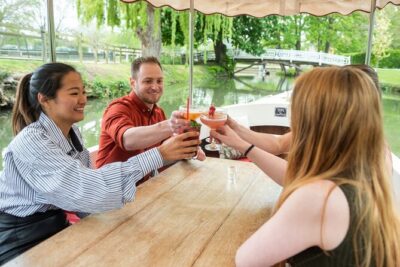
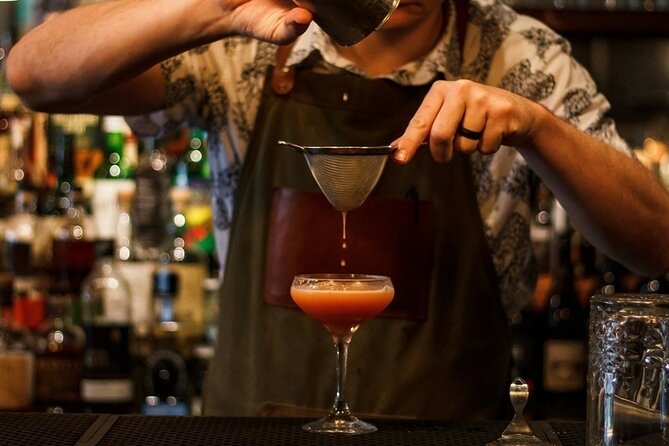
This is called a Wine, Cocktail and Food Experience, but the practical question is simple: will it actually feed you? The tour includes lunch, and tastings cover both alcoholic beverages and food samples from standout local stops.
A big value point is that there are no added fees for the samples you’re served. That matters because alcohol-heavy experiences can quietly turn expensive once you’re on your own choosing pours and snacks. Here, your budget stays predictable while you still get to taste multiple things.
Also keep in mind pacing. With a 3 hour 30 minute duration and a walking route through multiple landmarks, you don’t want your meal to feel like one huge, slow sit-down. The structure works best if you treat each tasting as part of the story. You’re tasting, walking, and learning in short cycles.
Non-alcoholic options are available, and bottled water is included. If you want to keep your energy steady (and your next day plans intact), that’s a real benefit.
Dietary note: if you’re vegetarian, vegan, kosher, need dairy-free, sugar-free, or gluten-free, the selection can be more limited. That doesn’t mean you’re out of luck, but you should plan to communicate your needs clearly at booking. Expect the tour to still try to accommodate you, just not with the same range as for standard options.
How the 3.5-hour timing fits St. Augustine sightseeing

This tour runs about 3 hours 30 minutes. That length is ideal when you want to see a lot without burning the whole day. For many people, afternoon is the sweet spot: you can handle warm-weather walking, then enjoy a late-day dinner afterward—unless the included lunch and tastings leave you full enough to skip it.
One thing that helps: the route ends within two blocks of Plaza de la Constitución at 170 St George St. That means you can keep exploring immediately after the tour without a complicated transfer plan.
If you’re trying to build a day around this, I’d schedule your other big activities either earlier (for arrival and rest) or later (for dinner and browsing). This is a “get your bearings fast” kind of experience—history plus food—and then you’re free to roam.
Meeting at Treasury Street: getting started without stress
The start point is 57 Treasury St, St. Augustine, FL 32084. It’s a useful anchor because it puts you close to the action without being hidden away.
Bring your mobile ticket (it’s a mobile ticket experience), and wear shoes that handle old-stone sidewalks. Service animals are allowed, and the tour is near public transportation, which gives you flexibility if you’re not driving.
Small-group pace: comfort, questions, and fewer bottlenecks
A maximum group size of 8 changes how tours feel. With smaller groups, it’s easier to:
- keep moving without long stop-and-go gaps
- hear the guide when questions come up
- adjust your pace for photos at the right spots
The tour also calls for moderate physical fitness. Translation: you’re not doing a hike, but you are walking between multiple historic sites. If you have mobility limits, plan your questions ahead of time and consider whether a “moderate” pace fits your comfort.
Who should book this St. Augustine wine and food walk
I’d strongly consider this tour if you want a fun way to learn St. Augustine’s story while also eating and drinking. It’s especially good for:
- couples or small friend groups who like both history and good stops for food
- first-timers who want a route through the core landmarks
- anyone who’d rather taste local flavors than try to plan meals street by street
You might want a different option if you need a very specific diet with strict ingredients, or if walking routes through historic stone areas would be uncomfortable.
Should you book? My take on the value
At $159 per person for about 3.5 hours, the price makes sense when you factor in what’s included: lunch, food samples, alcoholic beverages, bottled water, and a guided walk through major St. Augustine landmarks.
The best part is not just the food and wine. It’s the way the tasting day is tied to the city’s shifting identity—from Spanish defense at the Castillo to Protestant burial history at the Huguenot Cemetery, then to the civic and church power visible around the Plaza de la Constitución.
If you want a single afternoon that gives you both context and comfort, this is a smart pick. If you prefer food but don’t care about history, you may still enjoy it, but you’ll get the most from it if you’re the type who likes to learn why a place matters as you walk.
FAQ
How long is the St. Augustine Wine, Cocktail and Food Experience?
It lasts about 3 hours 30 minutes.
What is the price per person?
The tour costs $159.00 per person.
What’s included in the tour price?
The tour includes alcoholic beverages, bottled water, and lunch, plus food and alcohol samples with no added fees.
Are there non-alcoholic drink options?
Yes, non-alcoholic drinks are available.
Is the tour offered in English?
Yes, it is offered in English.
Where do you start and end the tour?
You start at 57 Treasury St, St. Augustine, FL 32084, and the tour ends within two blocks of Plaza de la Constitución at 170 St George St, St. Augustine, FL 32084.
How large is the group?
The tour has a maximum of 8 travelers.
Is there walking involved?
The tour is described for travelers with a moderate physical fitness level, so you should expect to walk through multiple stops.
Is it easy to get to using public transportation?
The tour is listed as near public transportation.
Cancellation
Is free cancellation available?
Yes. You can cancel up to 24 hours in advance for a full refund. If you cancel less than 24 hours before the start time, the amount paid is not refunded.