REVIEW · NEW ORLEANS
New Orleans: Combo Cocktail and Food History Tour
Book on GetYourGuide →Operated by Doctor Gumbo Tours · Bookable on GetYourGuide
Cocktails and Creole classics walk together here. I really like how this tour connects New Orleans flavor with the story behind cocktails like the Hurricane and the French 75. You get a guided walk through iconic spots, plus enough food to feel properly fed, not just “sampled.”
One thing to consider: it’s not built for everyone. The experience is not suitable for people with gluten intolerance, and it doesn’t offer vegan or gluten-free options, so plan around that if you have dietary needs.
In This Review
- Key points that make this tour worth your time
- A four-hour French Quarter crawl built for full bellies
- Starting at Red Fish Grill: gumbo, alligator sausage, and your first Hurricane
- Leah’s Pralines: how pecans became a New Orleans obsession
- Napoleon House classics: muffulettas, jambalaya, and the Pimm’s Cup
- NOLA Sauce Bar: the heat-and-tang lesson you can take home
- Dickie Brennan’s Tableau and the French 75 origin story
- Crossing Jackson Square toward Cane and Table
- Price and logistics: what $160 buys you (and what it doesn’t)
- Pacing and comfort: short walks, strong indoor time
- Who should book this and who should skip it
- Practical tips before you meet at Bourbon Street
- Should you book this New Orleans cocktail and food history tour?
- FAQ
- Where does the tour start?
- How long is the New Orleans combo cocktail and food history tour?
- What’s included in the price?
- What is not included?
- Is there a vegetarian option?
- Is this tour vegan or gluten-free?
- Is the tour suitable for minors?
- Is the tour wheelchair accessible?
Key points that make this tour worth your time

- Award-winning starting point at Red Fish Grill: gumbo, alligator sausage, and a first Hurricane with historical context
- Old-school sweetness at Leah’s Pralines: pralines plus pecan brittle from a 3rd generation family shop
- Napoleon House staples: muffulettas, Creole jambalaya, and the Pimm’s Cup (with thoughtful vegetarian swaps)
- A real flavor-lab at NOLA Sauce Bar: unlimited sauce tastings plus a free bottle of Louisiana-style seasonings
- Cocktail history, not just cocktails: the French 75 gets explained, then you taste it
- End with street-food comfort: fried sweet plantains and a classic daiquiri near the French Market area
A four-hour French Quarter crawl built for full bellies
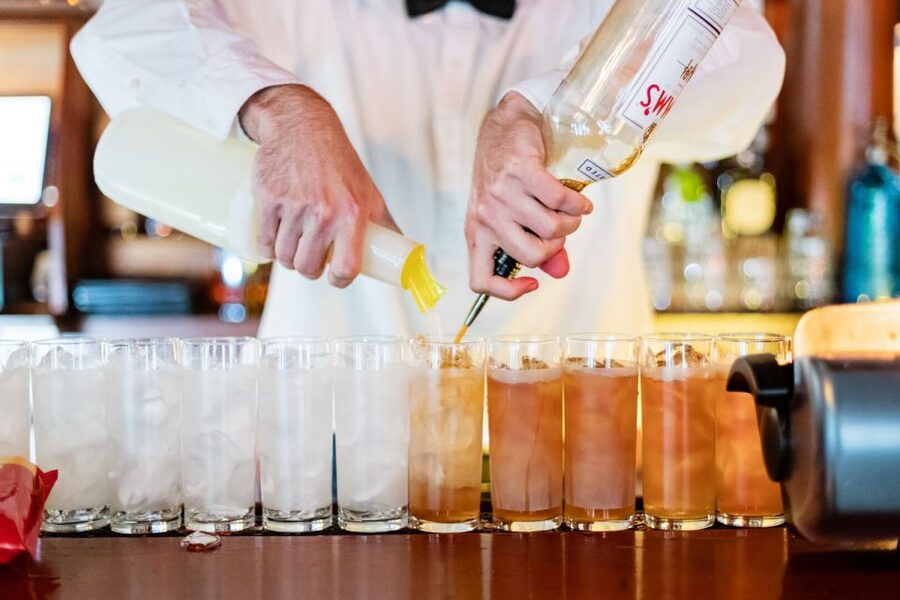
This is a walking food tour with a drink program, but it’s paced like a smart afternoon, not a marathon. Plan on about 4 hours total and short hops between stops—usually the kind of walking you can handle even if you’re not training for a race.
The big value is that you’re not just eating random bites. The guide ties food and drink to Louisiana’s cultural mix—French, Spanish, African, and Creole influences show up in the flavors and in how cocktails developed. It’s a great way to get your bearings fast in the French Quarter without turning your day into a constant self-directed search.
At $160 per person, you’re paying for a guide, coordinated restaurant/bar stops, and a set menu of 6 food samples plus 4 craft cocktails (with water at most stops). If you were trying to recreate that on your own, you’d still spend time figuring out where to go, and you might not get as much variety in the same window.
You can also read our reviews of more tours and experiences in New Orleans.

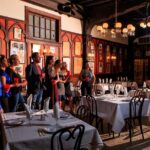

Starting at Red Fish Grill: gumbo, alligator sausage, and your first Hurricane

Your tour starts at Red Fish Grill on Bourbon Street (115 Bourbon Street). This is a strong first stop because it sets the tone: Creole cooking, bold Louisiana flavors, and a cocktail that fits the local story.
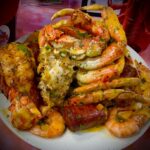
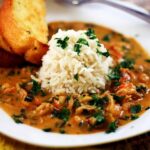
You kick off with alligator sausage and seafood gumbo. If you requested the vegetarian option, that part shifts to red beans & rice, which keeps you in the “New Orleans comfort food” lane rather than switching to something bland or generic. Either way, you’re eating something that feels like it belongs to the region, not a tourist compromise.
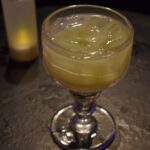
Then comes the first drink: a craft Hurricane. The guide also shares where the Hurricane fits into Louisiana’s history, and that context matters. When you know the story, the sweetness and fruit notes don’t just taste like a signature bar drink—they start to connect to place and time.
Leah’s Pralines: how pecans became a New Orleans obsession

After the savory start, the tour heads to Leah’s Pralines, a 3rd generation family-owned candy store. This stop is small in footprint but big in payoff, because pralines are a perfect example of how New Orleans turns ingredients into identity.
You taste traditional pralines and also get their pecan brittle. If you like crunchy-sweet desserts, this is the moment where your group usually says something like: that’s better than I expected. The sweetness is part of the culture here, and it also helps balance the earlier savory and boozy flavors.
One practical note: candy tastings can add up fast. If you’re the type who likes to pace your bites, don’t rush. Take a sip of water, then taste slowly—pralines and brittle are best when you notice texture and nut flavor.
Napoleon House classics: muffulettas, jambalaya, and the Pimm’s Cup

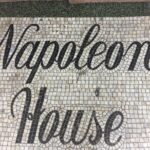
Next you land at the Napoleon House, one of those places that feels like it’s been part of the French Quarter long enough to know everyone’s name. Here, the food leans hard into classic New Orleans comfort.
You’ll try muffuletta sandwiches, and if you requested the vegetarian option, you’ll get a meatless muffuletta instead. Either version works because muffuletta is built for flavor layers—savory, tangy, and satisfying in a way that doesn’t need a lot of extra explanation.
There’s also a cocktail here: a Pimm’s Cup. You’re not just drinking; you’re learning the “why” behind cocktails in Louisiana—how European-style drinks and local ingredients shaped what ended up becoming standard bar culture.
And for sides, you get Creole jambalaya. The vegetarian substitute is potato salad, which is a smart swap because it keeps the plate feeling like a real meal, not a token veggie adjustment.
NOLA Sauce Bar: the heat-and-tang lesson you can take home

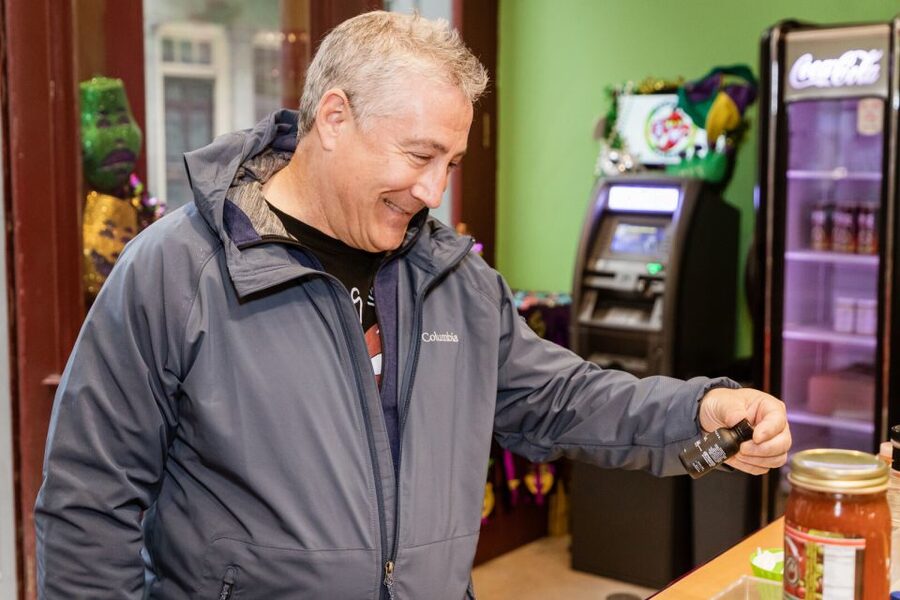
Between major sit-down stops, the tour brings you into NOLA Sauce Bar, where the focus shifts from “what dish is this” to “how Louisiana flavors build.” This is the part that food nerds usually love, and casual eaters usually end up loving too.
You’ll talk about Cajun influence and sample an unlimited variety of hot sauces, BBQ sauces, buffalo wing sauces, dry rubs, and more. That unlimited format is key. You can taste broadly without feeling like you have to choose the one sauce that will define your entire experience.
A nice extra: you receive a free bottle of Louisiana-style seasonings included in the tour. That’s not just a souvenir. It’s actually useful when you get home and want to recreate the salty, spicy, peppery kick that makes New Orleans food so memorable.
If you’re sensitive to spice, don’t skip this stop—just be strategic. Start with the milder sauces, then work up, so you don’t accidentally wipe out your palate before the next cocktail.


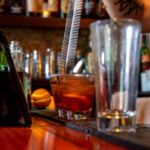


Dickie Brennan’s Tableau and the French 75 origin story
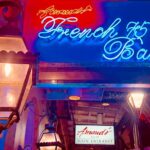
After the sauce experiment, you head to Dickie Brennan’s Tableau to sip your next cocktail: the French 75. This drink is a classic template—lemon brightness, bubbles, and the base spirit choices that shift its personality.
What makes this stop more than just another bar drink is the explanation of cocktail origins and how that lineage shows up in the way people order and enjoy drinks today. When your guide links the French 75 to broader cocktail history, the lemony sparkle becomes more interesting than just a refreshment.
You’re also moving through the French Quarter with a clear structure, which helps the day feel organized rather than like you’re being shuffled from place to place.
Crossing Jackson Square toward Cane and Table

From there, you pass through the famous Jackson Square and head into the French Market area. Even if you’re only catching it briefly, this stretch gives you the “I’m actually in New Orleans” feeling—architecture, energy, and that classic Quarter geometry where everything seems close enough to touch.
The final big food stop is Cane and Table, which is a James Beard Award-nominated spot. Here, you get fried sweet plantains and then round out the tour with a classic daiquiri.
Plantains are a smart finale because they’re sweet and salty in a way that matches the cocktail finish. You end the day with something street-food friendly and satisfying, rather than ending on a heavy dish that leaves you too full to enjoy the walk back.
Price and logistics: what $160 buys you (and what it doesn’t)

Let’s talk value in plain terms. At $160 for 4 hours, you’re paying for:
- a local guide
- 6 food samples
- 4 craft cocktails
- water at most stops
- tips for server/bar staff
You’re not paying for hotel pickup or drop-off, so you’ll need to make your own way to the meeting point. The upside is that this kind of structure usually makes the route smoother because everyone starts together, then you move as a group.
Is it pricey? Yes. But you’re getting multiple full stops at well-known restaurants/bars rather than a single restaurant meal with a drink. For many people, the math works out because alcohol and tastings add up quickly in the Quarter—especially when your drinks aren’t the “house rum and cola” kind.
The best way to judge the price is your own style. If you enjoy organized tasting days and you like learning while you eat, this is a strong use of time. If you prefer casual wandering and you don’t want alcohol, you might feel boxed in by the structure.
Pacing and comfort: short walks, strong indoor time

The walk segments are brief, with short on-foot stretches between locations. That matters because New Orleans weather can be intense, and a tour that keeps you inside most of the time is simply more pleasant.
Also, the tastings can be more substantial than you might assume. People have described leaving very full but not stuffed, and the portions tend to feel like real bites rather than tiny “one spoon” moments. That’s a good sign for value and satisfaction.
Still, use common sense. If you don’t normally eat much, you’ll likely want to go into this tour with some appetite saved up. This isn’t an “I’ll nibble and sip” afternoon.
Who should book this and who should skip it
This tour is a great fit if you’re:
- 21+ and you want craft cocktails with context
- excited by classic New Orleans favorites like gumbo, muffulettas, pralines, and plantains
- the type who likes food history tied to real places, not just a generic lecture
It’s not a great fit if you:
- need gluten-free options (the tour is not suitable for people with gluten intolerance)
- are vegan (there’s no vegan option)
- want dairy-free or gluten-free adjustments (the vegetarian option exists, but gluten-free/dairy-free/vegan options aren’t offered)
There is a vegetarian option you can request at check-out. From the substitutions offered, you can expect swaps that still reflect the soul of the dish—red beans & rice, meatless muffuletta, potato salad, and more—rather than pulling the tour into bland territory.
Practical tips before you meet at Bourbon Street
A few small things make this day smoother:
- Bring passport or ID card (you’ll want it on hand, especially since alcohol is part of the experience).
- Wear shoes you trust for sidewalks and short walking stretches.
- Pace your tastings. Water is provided at most stops, but you’ll still want to control your speed so you can enjoy the later cocktails.
- If you want the vegetarian option, request it at check-out ahead of time. Don’t wait until you’re standing there.
If you’re sensitive to alcohol, pace yourself. Four craft cocktails spread across the day can still feel like a lot, even when the servings are managed. A daiquiri at the end is a treat—just don’t let it surprise you.
Should you book this New Orleans cocktail and food history tour?
I’d book it if you want a structured, high-variety New Orleans food day that includes cocktail education and real stops at places you’d have trouble finding on your own. The combination of gumbo, pralines, muffulettas, jambalaya, sauce tastings, and a classic daiquiri is a smart snapshot of the city’s flavor DNA.
I wouldn’t book it if dietary restrictions are the center of your planning, because it’s clear that gluten intolerance and vegan needs aren’t handled here. And if you’re not interested in alcohol, you might find the package less aligned with your preferences.
If you’re planning your first trip to New Orleans and you want one afternoon that helps you understand the city through what people eat and drink, this one is an easy yes—especially if you like your food stories with a drink in hand.
FAQ
Where does the tour start?
The tour meets at Red Fish Grill, 115 Bourbon Street, New Orleans, LA 70130.
How long is the New Orleans combo cocktail and food history tour?
The tour runs for 4 hours.
What’s included in the price?
It includes a local guide, 4 craft cocktails, 6 food samples, water at most stops, and server/bar staff tips.
What is not included?
Hotel pickup and drop-off are not included.
Is there a vegetarian option?
Yes. A vegetarian option is available, and you need to request it at check-out.
Is this tour vegan or gluten-free?
No. It does not have a vegan option and it is not suitable for people with gluten intolerance.
Is the tour suitable for minors?
No. It is not suitable for people under 21 years.
Is the tour wheelchair accessible?
Yes. The tour is listed as wheelchair accessible.