REVIEW · BARCELONA
Barcelona Tapas Cooking & Cocktail Class with Veronique & Mattias
Book on Viator →Operated by Traveling Spoon · Bookable on Viator
Fresh tapas. Fresh drinks. Real people.
This private Barcelona class feels like you’re hanging out in a local kitchen, not watching a show. I love the hands-on cooking and drink building, and the chance to learn dishes like tuna tartare, lemon aioli, and tomato–watermelon carpaccio with feta and herbs. The menu and flow also pair food with the stories and ingredient ideas that make Barcelona eating make sense.
One thing to think about: there’s no hotel pickup, and you’ll start and end at Carrer d’En Cortines in Ciutat Vella. If you want a seamless door-to-door experience, you’ll need to plan your own arrival.
Key things that make this class worth it
- Real-home setting in Veronique’s kitchen, with personal attention for small groups
- Tapas + cocktails together, including tinto de verano with sweet vermouth and spices
- Albahaca Smash gin-and-basil cocktail taught with bright lemon notes
- Market add-on near Santa Caterina, where you learn what to buy and why
- Diet-friendly options like vegetarian, vegan, gluten-free, and lactose-free when arranged ahead
- Hands-on teaching that aims to give you repeatable skills at home
In This Review
- A 3-hour tapas-and-cocktail class in a real home kitchen
- The tapas lessons: from tuna tartare to watermelon-feta plates
- Cooking skills that actually transfer to your kitchen
- Cocktails built for Spanish summer: Tinto de Verano and Albahaca Smash
- Mattias’s take on Tinto de Verano
- Stefano’s Albahaca Smash
- Dessert loop
- The optional Santa Caterina Market add-on (and why it helps)
- Pacing, group size, and what hands-on teaching feels like
- Price and value: why $139 can make sense
- Practicalities in Ciutat Vella: meeting point and timing
- Who should book this tapas and cocktail workshop?
- Should you book? A clear call
- FAQ
- Is this tapas cooking and cocktail class private?
- How long is the class?
- What does the price include?
- Is hotel pickup included?
- Is the class offered in English?
- Can the menu accommodate dietary restrictions?
- What recipes and drinks are taught?
- Can I add the Santa Caterina Market tour?
- What is the cancellation policy?
A 3-hour tapas-and-cocktail class in a real home kitchen
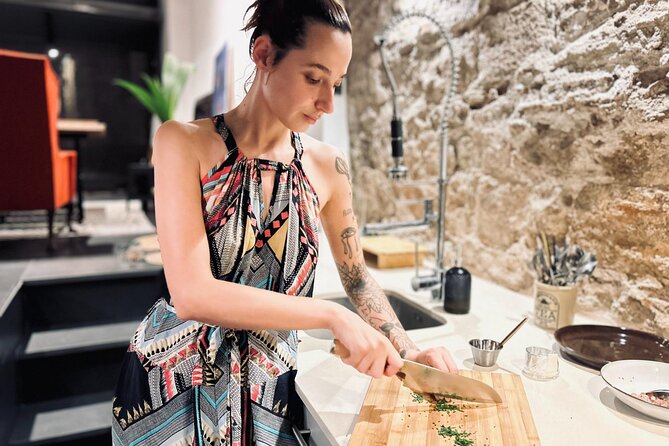
If you’ve ever done a cooking class where you stand back with a fork-shaped hope and watch someone else work, this one is different in spirit. It’s built for doing. You’ll roll up sleeves, chop, mix, assemble, and drink what you helped make. And because it’s hosted in Veronique’s home kitchen, the day doesn’t feel like it was designed to fit a tour bus schedule.
The structure matters. You start with cooking, then you move into cocktails, then you sit down for the modern Spanish meal you made. That arc gives you a full loop: learn, produce, taste, and talk. It’s also a good way to understand Barcelona beyond what you see from the sidewalk.
This is also a private experience in a small group. That usually means fewer delays and more feedback. When you’re learning knife work or balancing sauce and seasoning, you don’t want your attention divided into five different directions.
It’s also a quick commitment—about 3 hours—which is perfect if you want something memorable but don’t want to sacrifice an entire afternoon. If you’re doing a food-heavy itinerary already, this can be the activity that anchors the day.
The tapas lessons: from tuna tartare to watermelon-feta plates
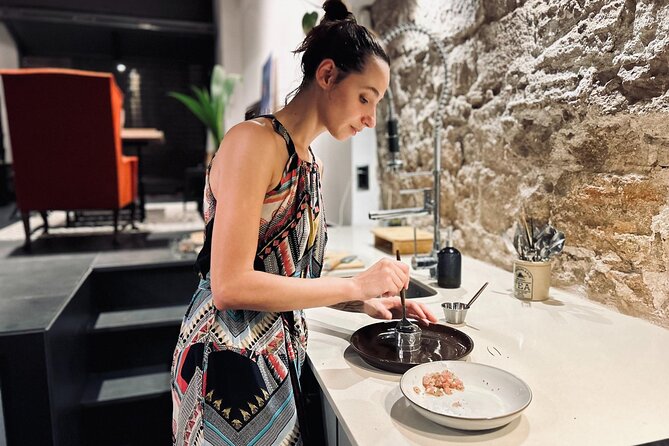
The tapas portion is where the class earns its keep. You’re not just making one thing; you’re building a mini menu of Spanish flavors that connect to each other. The sample list includes a mix of seafood, vegetables, and bright, summer-leaning ingredients—exactly the kind of food that fits Barcelona’s seasonal rhythm.
Here are some of the tapas you can expect to learn (menu can vary by season, but the style stays consistent):
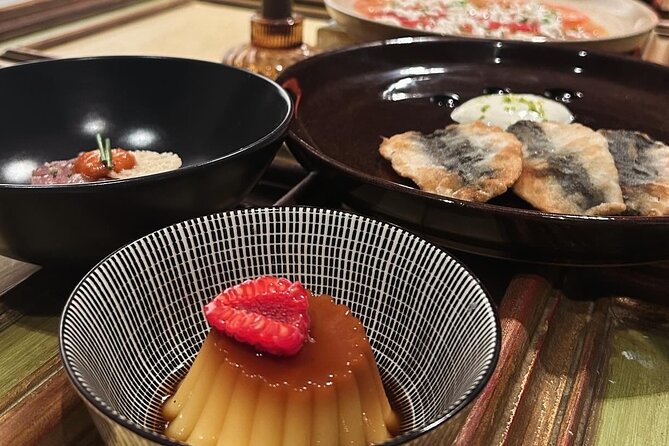
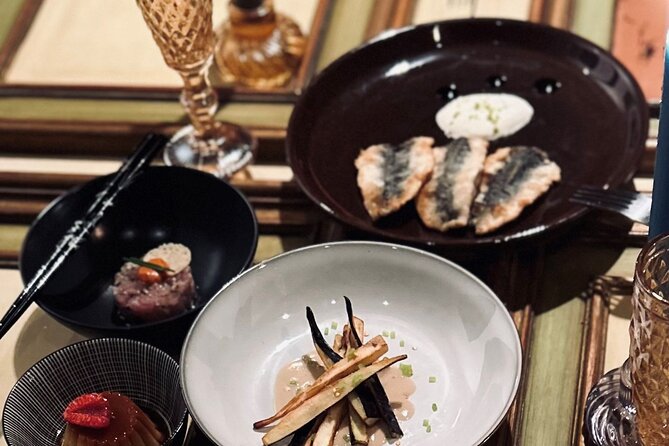
- Tuna tartare with romesco sauce
This is one of those dishes where sauce really changes everything. Romesco’s nut-and-roasted flavor shows up as something more than “a dip.” It’s also a great base concept you can adapt later when you want a fast, flavorful sauce.
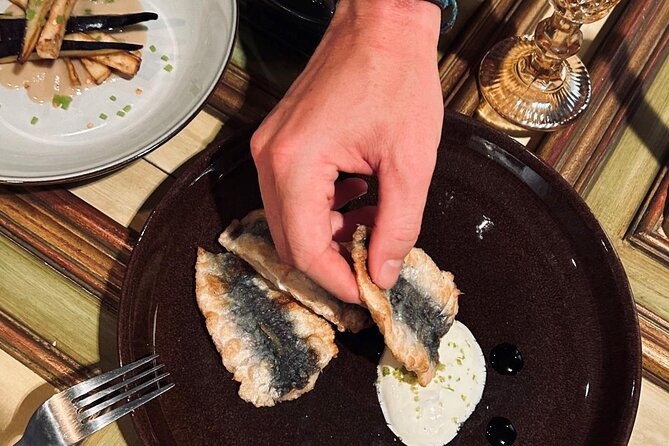
- Tempura sardines with lime sauce and balsamic reduction
You’ll get a feel for how citrus and sweet-savory reductions play together. The lime note keeps the fish from feeling heavy, and the balsamic brings depth.
- Tomatoes and watermelon carpaccio with feta crumble and herbs
This combo is playful without being gimmicky. It teaches you how to balance juiciness (tomato and watermelon) with salty creaminess (feta) and a fresh herb hit.
- Crispy eggplant with sweet chili and tahini sauce
Eggplant can go soft or greasy if you don’t manage the process. The sweet chili and tahini add two different kinds of richness—one spicy-sweet, the other creamy—so you’re learning more than one flavor technique.
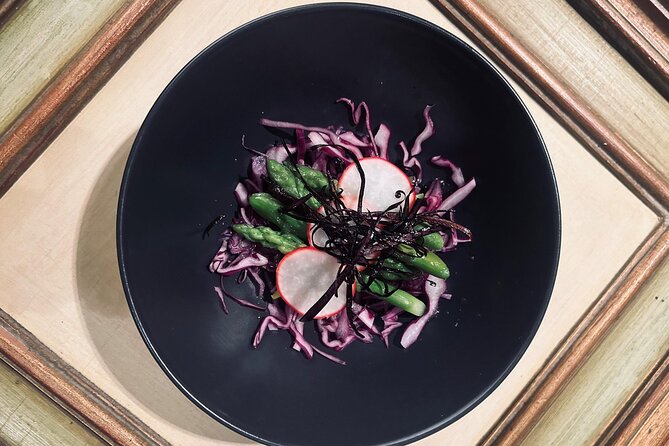
- Asparagus salad with pickled radishes
Pickling here is about contrast. You’re learning that salads in Spain can be lively and punchy, not just plain greens.
Along the way, you’ll also learn things like how to build a sauce and how to season as you go. You may hear about how locals approach ingredients: not just what to make, but when it makes sense and what it pairs well with. That’s the kind of lesson that stays useful long after your kitchen-cleanup sponge has seen better days.
A practical upside: tapas teaches you portion thinking. Most of these dishes are designed to be shared. If you plan to cook at home later, you’ll be able to scale flavors without turning every plate into a five-course production.
You can also read our reviews of more tours and experiences in Barcelona.



Cooking skills that actually transfer to your kitchen
A lot of classes teach recipes. This one aims for something more valuable: cookery skills you can reuse.
When the teaching is hands-on and paced for real participation, you learn the steps behind the dishes:
- how to handle raw and cooked stages safely
- how to keep textures right (crispness, tenderness, freshness)
- how to season in layers instead of dumping everything at the start
- how to pair salty, acidic, and herb notes so dishes taste finished
The class also uses Barcelona-friendly combinations—seafood-forward starters, vegetable plates with punchy sauces, and summer-fruit flavors that show up in the balance of sweet and salt.
One more detail I appreciate: the idea of learning in a real home kitchen. It naturally nudges you toward practical habits. If you’ve ever cooked from a printed recipe while missing half the utensils or working with unfamiliar cookware, you’ll understand why this matters. The workflow and seasoning habits you pick up tend to fit normal home kitchens better than a techy studio setup.
So yes, you’ll get recipes you can take home. But the bigger win is learning how to trust your own tasting and adjustments.
Cocktails built for Spanish summer: Tinto de Verano and Albahaca Smash
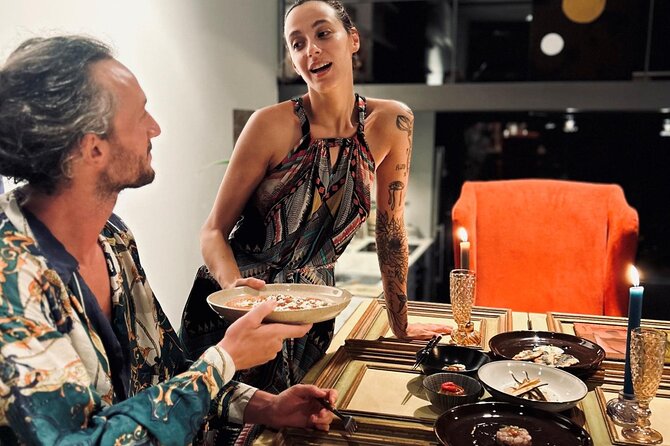
Now for the drinks. This class doesn’t treat cocktails as a side quest. You’ll learn two specific drinks with clear flavor logic, and you’ll get an approach you can repeat later.
Mattias’s take on Tinto de Verano
You’ll meet Mattias as you reinvent Spain’s classic tinto de verano. The twist is what makes it memorable:
- sweet vermouth
- seasonal spices
- a zero-waste lemon cordial
That last part is more than a trendy phrase. It’s a practical lesson in getting more use from lemons. Even if you don’t copy the exact method every time, you’ll think differently about peels, infusions, and how to reduce waste while still building strong citrus character.
Stefano’s Albahaca Smash
Then Stefano steps in with the Albahaca Smash, a refreshing gin-and-basil cocktail with bright lemon notes. Basil brings a herbal freshness, while lemon keeps it from going flat. You’re learning how aromatics and acidity work together—something bartenders do all the time, but most cooking classes never teach.





Dessert loop
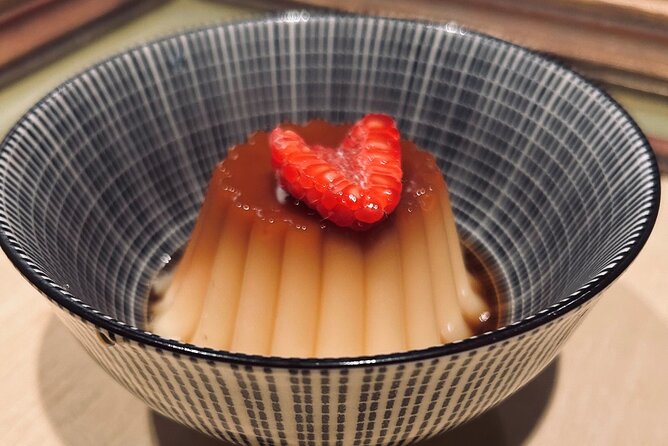
After cooking and cocktail crafting, you’ll sit down to a modern Spanish meal and finish with dessert. The sample dessert is creme caramel flan with seasonal fruits, which is a gentle, not-too-heavy finish after savory bites and two cocktails.
The optional Santa Caterina Market add-on (and why it helps)
If you add the optional market tour, you’ll go to Santa Caterina Market, about five minutes away. The market portion runs for about 30 minutes and is guided. This isn’t a long, slow shopping spree. It’s timed to help you connect ingredients to what you’ll cook and taste.
You’ll walk through stalls of seafood, produce, and regional specialties. Then Veronique brings the ingredient story into focus—what’s in season, what it tastes like, and what each item tends to pair with. That kind of “why this ingredient today” context makes your class menu feel less random.
Even if you don’t consider yourself a foodie, markets are still a fast way to get oriented in Barcelona. You see what locals care about, and you also learn what to look for later when you’re on your own.
One practical note: the market add-on is optional. If you’re arriving hungry, the kitchen-focused version still works. If you like to see ingredients before you cook with them, take the market tour.
Pacing, group size, and what hands-on teaching feels like
This experience is designed for small groups, and that shapes everything: the pace, the attention, and the amount of time you spend actually making food.
Because it’s private for your group, you’re not fighting for counter space behind people who only want photos. That’s a huge deal in cooking classes, where the bottleneck is usually equipment and hands, not the chef’s enthusiasm.
Expect a guided flow:
- start at Veronique’s home kitchen
- learn and prepare tapas starters
- rotate into cocktail crafting with Mattias and Stefano
- eat the meal you helped prepare while talking about life in Barcelona
That last part is underrated. You’re not just learning recipes; you’re learning how Barcelona food habits fit into daily life—what people eat, how they think about flavors, and how they talk about ingredients.
If you’re the type of traveler who likes practical conversation, you’ll likely enjoy this. If you want quiet and minimal chat, you can probably keep it focused, but the class is built as a social experience.
Price and value: why $139 can make sense
At $139 per person for roughly 3 hours, this isn’t the cheapest thing you can do in Barcelona. But it can still feel like a fair trade when you factor in what you’re getting.
You’re paying for:
- a private, home-based lesson
- hands-on cooking instruction
- cocktail instruction for two drinks
- a sit-down meal made from your work
- dessert
- and, if you add it, a guided Santa Caterina Market stop
The value goes up if:
- you want to learn multiple recipes, not just one
- you care about how to balance sauces and flavors
- you want a class that’s in English
- you’re traveling with a small group that benefits from more attention
The “booked 60 days in advance on average” detail is a clue. This kind of class tends to fill up when people hear it’s private and hands-on. If you’re set on a specific date or you’re traveling in peak season, planning ahead helps.
And if you’re comparing to major-food-tour formats, this one gives you skills you can reuse, not just memories and photos.
Practicalities in Ciutat Vella: meeting point and timing
This activity starts and ends back at the meeting point: Carrer d’En Cortines, Ciutat Vella, 08003 Barcelona. There’s no hotel pickup or drop-off, so you’ll want to map your route ahead of time. The location is near public transportation, which helps.
Timing: confirmation comes within 48 hours of booking, based on availability. The experience lasts about 3 hours; if you add the market tour, you should plan for the extra time that the included 30-minute guided visit brings.
What to bring: you don’t need to pack a lot, but you should dress comfortably. You’ll be working with food and likely standing at counters. Wear shoes you can walk in without worrying about slippery floors.
Language: offered in English, and the class is meant to be understandable and interactive. If you’re comfortable with basic food vocabulary, you’ll get a lot more out of the explanations.
Dietary needs: Veronique and Stefano can accommodate lactose-free, gluten-free, vegetarian, and vegan diets if you tell them at booking. Allergies and restrictions matter here—so don’t wait.
Who should book this tapas and cocktail workshop?
This class is a strong match if:
- you want a local-home experience rather than a staged restaurant demo
- you want to leave with real skills for cooking and mixing drinks
- you enjoy seafood and herb-forward flavors
- you like social conversation as part of the activity
- you’re traveling in a small group and want a more personal format
It might be less ideal if:
- you need door-to-door convenience (no hotel pickup)
- you dislike cooking or prefer passive sightseeing
- you’re very time-crunched and can’t reach Ciutat Vella on your own
If you’re planning your Barcelona trip around food, this can serve as your “hands-on anchor” that helps you understand menus you’ll see later.
Should you book? A clear call
Yes, I’d book it if you want more than eating. The combo of tapas cooking and cocktail making—taught by Veronique, Mattias, and Stefano—makes this feel like a complete experience. The home-kitchen setting and hands-on format give you the best chance of actually taking skills home, not just tasting a few dishes.
I’d skip or rethink if you’re expecting transportation help or you’re traveling with tight scheduling. The meeting point in Ciutat Vella is easy enough with transit, but you’ll still need to show up ready to cook and mingle.
If you want a Barcelona class that feels personal and practical, this is the kind that earns your time.
FAQ
Is this tapas cooking and cocktail class private?
Yes. It’s a private experience, with only your group participating.
How long is the class?
It runs about 3 hours.
What does the price include?
You’ll get the private cooking and cocktail class, a homecooked meal, and (if you choose it) the Santa Caterina Market tour.
Is hotel pickup included?
No. You meet at Carrer d’En Cortines in Ciutat Vella and the experience ends back at the meeting point.
Is the class offered in English?
Yes, it’s offered in English.
Can the menu accommodate dietary restrictions?
Yes. Veronique and Stefano can accommodate lactose-free, gluten-free, vegetarian, and vegan diets if you inform them when booking. If you have allergies or dietary needs, you should advise at booking.
What recipes and drinks are taught?
You’ll learn tapas such as tuna tartare with romesco sauce, lemon aioli, and tomato–watermelon carpaccio with feta and herbs. Cocktail instruction includes tinto de verano (sweet vermouth, seasonal spices, and zero-waste lemon cordial) and the Albahaca Smash (gin, basil, and bright lemon notes).
Can I add the Santa Caterina Market tour?
Yes. There’s an optional guided market tour of about 30 minutes at Santa Caterina Market, near the main meeting area.
What is the cancellation policy?
You can cancel for a full refund if you cancel at least 24 hours in advance of the experience start time. If you cancel less than 24 hours before, the amount you paid is not refunded.